
Key factors that affect your iron levels
There are many factores that influence the development of the iron deficiency and subsequently in the emergence of iron deficiency.. Below we will list their main causes:

Nutritional causes:
Un low iron intake through the food no suele causar una iron deficiency in adults, but during the breastfeeding period, las physiological needs of this mineral are not covered by the dairy products. For this reason, it is essential that additional contribution en la food starting from the 4 to 6 months old. During the childhood, la adolescence y el embarazo, the number of physiological needs and, even though it might be a influencing factor, las nutritional deficiencies do not usually constitute the the main cause of anemia.
Una poor mineral absorption nor is it a common cause of deficiency, with the exception of individuals who have undergone surgery for gastrectomy o con malabsorption syndrome, since nearly 50% of these patients will suffer from iron deficiency. in the coming years.
Las plant-based diets, sobre todo en el caso de strict vegetarians, pueden causar deficiency, due to the absence or poor iron absorption in the intestine, since it is in the form of non-heme iron.
Absorption issues:
Blood loss and bleeding:
It represents the most common cause de iron deficiency en los adults, which may be due to various reasons. El más common, considering the female population between 15 and 45 years old, are the blood loss associated with the menstruation.
In the case of the adult men y en postmenopausal women suffering iron deficiency., la main cause is a chronic blood loss by the gastrointestinal tract, which may be due to: gastroesophageal reflux, hiatal hernia, esophagitis, excessive intake of NSAIDs, ulcers, parasites or cancerous diseases.
Health problems caused by the
iron deficiency
Some medical conditions and condiciones fisiológicas can cause a iron deficiency in the organism, usually due to a increased needs o un increase in losses of this essential mineral for the health.
In situations where chronic iron deficiency, the body may eventually develop a pathology known as “anemia ferropénica”, which is a afección de la sangre characterized by the decrease of the amount of hemoglobin and from red blood cells.
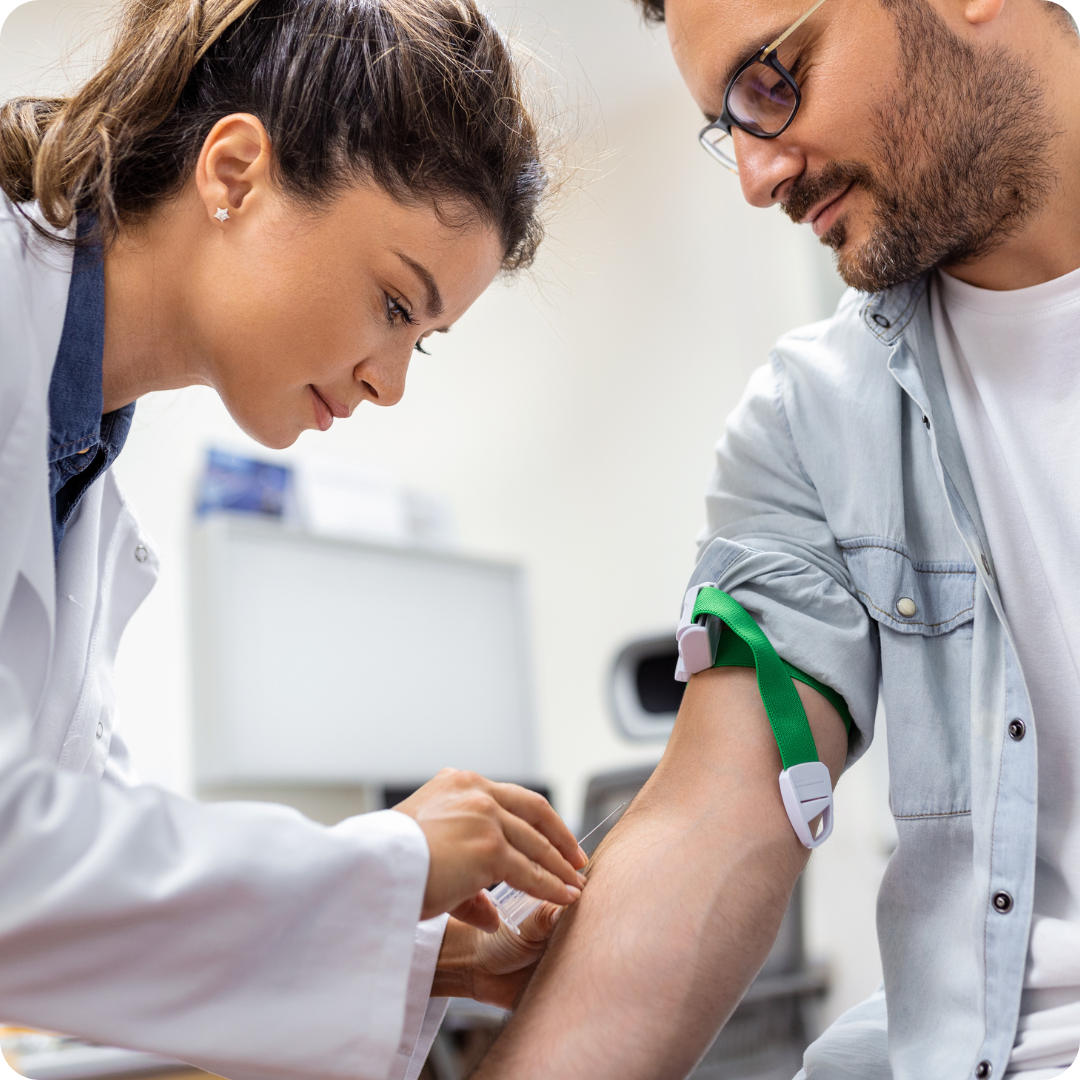
According to data from the World Health Organization (WHO), it is estimated that nearly 1 billion people worldwide suffer from iron deficiency., and approximately doble sufren iron deficiency, lo que afecta a su health and calidad de vida.
. carencia de este mineral está relacionada con una reducción en la physical ability and cognitive, which causes a poorer work performance, y una less resistance at infections.
This is a multifactorial disorder in the occurrence of which the food, la physiological state and the genetic load of the individual.
They present a greater risk las women of childbearing age, by the prolonged and heavy bleeding during the menstruation, and the pregnant women, as a result of a increased iron requirements related to the fetal growth.
The presence of a deprivation by iron deficiency during the pregnancy, regardless of the cause, can increase the maternal and infant mortality, increasing the risk of perinatal death, premature birth or low birth weight.
 English
  Spanish